Garsfontein
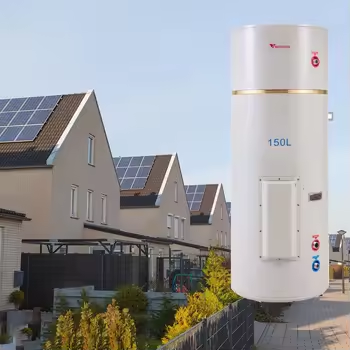
150L PV Conversion on a Family Home
Kept the family's existing 5-year-old tank, added 3 panels and a smart controller. Electricity bill down by roughly R700 a month.
Your geyser does not need replacing. It may only need solar. We convert existing electric geysers across Pretoria, Pretoria East and Centurion, with the electric backup kept and the paperwork handled.
Solar geyser conversion means adding solar to the geyser you already own, instead of buying a new solar system. In Pretoria it usually costs between about R7,000 and R28,000, depending on the route you choose, compared with about R22,500 to R40,000 for a brand-new installed solar geyser. Water heating is often estimated at 30 to 50 percent of a household electricity bill, so a conversion is one of the quickest ways to cut that cost.
We have spent 10 years installing solar in Pretoria. This page explains the two ways to convert, how to tell whether your geyser qualifies, what we fit and what it costs, so you know what to ask before you get a quote.
Homes with a working electric geyser that is not too old.
Solar panels powering your element (PV), or roof collectors with a pump (thermal retrofit).
About R7,000 to R20,000 for PV conversions and about R12,000 to R28,000 for thermal retrofits.
Usually one day.
Your electric element stays, so you still have hot water on cloudy days.
The Certificate of Compliance is part of the job.
Not sure if your geyser qualifies? Send us a photo of the label and we will tell you honestly whether to convert or replace.
There are two main ways to convert a geyser to solar. They save electricity differently, and the right one depends on your tank, your roof and your budget.
This route puts standard solar panels on your roof and uses a smart controller or diverter to power your existing electric element with solar energy during the day. It is often called a solar electric geyser, because the sun supplies electricity to your element rather than heating the water directly. Most homes need three to four panels. There are no pipe changes, which means no new plumbing joints and a lower risk of leaks. If you add more solar later, the panels and controller can fit into a bigger system.
The trade-off: it only heats water while the panels produce, so you rely on the tank's stored heat in the evening.
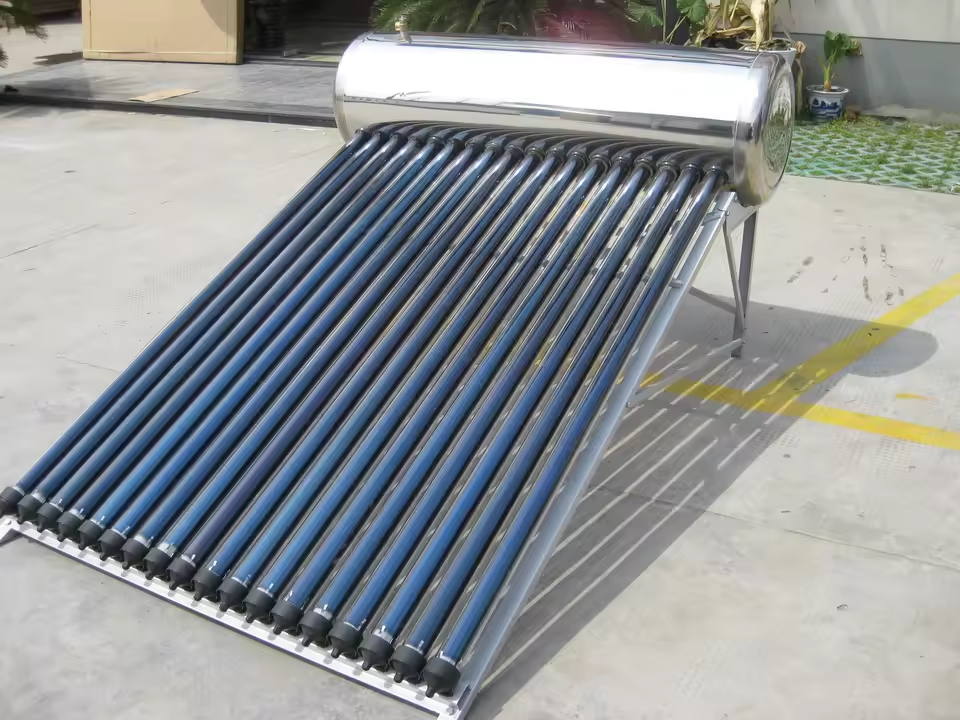
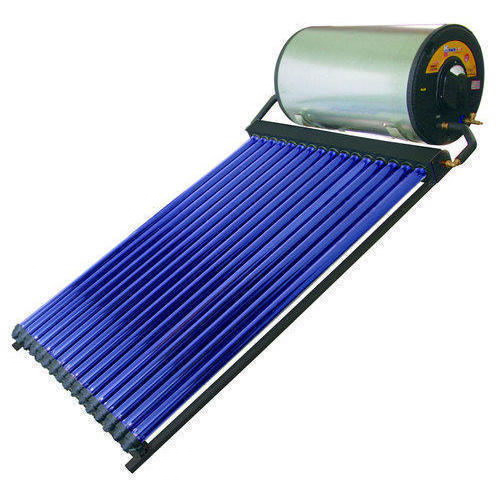
This route adds roof collectors, either evacuated tubes or flat plates, plus a small circulation pump and a controller. The pump moves water, or an antifreeze fluid in an indirect system, between the collectors and your existing tank. A retrofit solar geyser heats water directly from the sun, which is efficient and gives you hot water for a larger part of the day. It needs plumbing work and a tank that can handle the extra loop.
| Feature | PV Conversion | Thermal Retrofit |
|---|---|---|
| How it works | Panels power the element | Collectors heat water through a pump loop |
| Plumbing changes | Minimal | Yes |
| Typical cost | about R7,000 to R20,000 | about R12,000 to R28,000 |
| Frost risk | None to the panels | Needs frost protection |
| Works on | Most electric geysers with a compatible element | Good-condition high-pressure tanks |
| Best for | Simplicity, future expansion | Maximum direct solar heating |
Conversion only makes sense if your geyser is worth keeping. Before we quote, we check:
A tank under about five to eight years old, with no rust, leaks or weeping valves, is a good candidate. An old or leaking tank should be replaced, not converted.
Thermal retrofits need a high-pressure tank. Low-pressure tanks usually suit PV conversion or replacement.
For PV conversion, the element, thermostat and wiring must be compatible with the controller. Some controllers only suit certain geysers.
North-facing, unshaded roof space is best. A tiled, IBR or concrete roof each needs a different mounting method.
For thermal retrofits, a long pipe run loses heat and adds cost. PV is less affected.
A geyser that is less than eight years old and working well, a roof with a clear north or near-north face, and a household that uses most of its hot water in the evening or morning.
A tank that is old, rusty or leaking, or a low-pressure system you plan to upgrade. In that case, a new solar geyser installation usually costs less over the long run than converting a tank that is about to fail.
After conversion, you have a solar and electric geyser. Solar does the work in good weather, and your electric element covers cloudy days, winter mornings and heavy use. This dual solar and electric geyser setup means you never run out of hot water just because the weather turns.
A smart controller or timer decides when the element runs, so it does not switch on when the sun can do the job. For homes with load shedding or outages, a PV conversion keeps heating while the sun is up, and the electric element needs grid or battery power. If you have a battery system or plan one, see our solar battery installation and hybrid solar systems pages.
In sunny weather, solar does the heavy lifting — no grid electricity needed for hot water.
Your element kicks in when the sun can't keep up — cloudy days, winter mornings, heavy use.
Timer and controller keep the element off when the sun can do the job — saving you the most.
A solar geyser conversion kit differs by route. We specify exactly what goes on your roof and list it in your quote.
We add what keeps the system safe and efficient: a temperature and pressure relief valve, a tempering valve where needed, pipe insulation, a timer or smart control, and surge protection on the PV side. If you want to monitor the system, ask about remote or app control.
Which route fits you depends on your tank, your budget and what you actually want from the system.
| Situation | Best choice |
|---|---|
| Good tank, under about 8 years old | Convert |
| Old, rusty or leaking tank | Replace with a new solar geyser |
| Small budget, simple install wanted | PV conversion |
| Want maximum direct solar heating | Thermal retrofit or new system |
| Plan to add PV and batteries later | PV conversion fits well |
| Large family, 300 litres or more | New split system is often better |
Pretoria's Highveld winters mean sub-zero mornings between about May and August, so frost matters.
PV conversion has no water in the roof panels, so frost cannot burst them.
Thermal retrofits should be indirect (closed-loop) or protected another way, written into the quote.
Hard water in some parts of Pretoria can scale open collectors, which favours a sealed system or PV.
Tile, IBR and concrete need different fixings. We check structure and fix mounting points properly to prevent leaks.
Many Pretoria estates have rules about visible panels or collectors. We prepare a layout and equipment details for trustees.
From your first message to the day the system is running, here is the process.
Tell us your geyser size, age, brand if you know it, and your suburb — by WhatsApp or the contact form. A photo of the geyser label helps.
We confirm the tank is suitable, check your roof and, for thermal, the pipe route. You get an itemised written quote.
We mount the panels or collectors, connect the controller, pump or diverter, fit the safety valves and wire in the backup. Most homes take about a day.
We test the system, check for leaks, set the controller and show you how it works.
You receive your Certificate of Compliance and warranty details.
If hot water drops off or something looks wrong, we are a call away. See our solar maintenance and repairs service.
Conversions cost less than a new system, because you keep the tank. Typical ranges are:
R7,000 – R20,000
Depending on panel count and controller.
R12,000 – R28,000
Depending on collectors, tank size and pipe run.
R22,500 – R40,000
For comparison — full install with new tank.
A solar geyser conversion is regulated work, and it needs the right certificates:
An electrical Certificate of Compliance for the panels, controller and wiring.
A plumbing Certificate of Compliance for the pipework and valves under the solar water heating standard (SANS 10106), plus electrical sign-off for the pump and controller.
We convert geysers across Pretoria East, Menlyn, Garsfontein, Faerie Glen, Moreleta Park, Silver Lakes, Centurion, Irene, Waterkloof, Pretoria Central, Pretoria North and Akasia. See all areas we serve.
Elsewhere in South Africa? We install in Pretoria and the surrounding areas. If you live in another province, the readiness checklist above still applies, and a registered local installer can use it to quote properly. Frost-protection needs vary by region, with inland areas needing the most care.
If you want more than hot water, our residential solar installation and solar system design pages cover the full-home option, and our solar cost guide shows wider prices.

Three recent conversions across Pretoria — with the geyser size, the route chosen and what it delivered for the customer.
Garsfontein
Kept the family's existing 5-year-old tank, added 3 panels and a smart controller. Electricity bill down by roughly R700 a month.
Moreleta Park
Frost-safe indirect retrofit with evacuated tubes. Hot water now lasts from early morning until bedtime, even in winter.
Centurion
Full HOA documentation prepared and approved first time. Panels sit flush on a tiled roof with no visible pipework from the street.
The questions Pretoria homeowners ask us most often about converting a geyser to solar — answered honestly, in plain language.
In Pretoria, a PV conversion usually costs about R7,000 to R20,000 and a thermal retrofit about R12,000 to R28,000, depending on tank size, panels or collectors and the roof. A new installed solar geyser costs about R22,500 to R40,000. Ask for an itemised quote — see our solar geyser prices page for full ranges.
No. The tank should be in good condition, ideally under about five to eight years old, with no rust or leaks. Thermal retrofits need a high-pressure tank, and PV conversions need a compatible element and controller. We check this before quoting.
Most PV conversions use three to four panels, with the number depending on tank size and how much hot water you use. A 150 litre geyser often needs about three panels, and a 200 litre geyser about four.
Yes. Your electric element stays connected as backup, so you still have hot water on cloudy days and in winter. The solar share is lower in bad weather.
Usually, yes, because you keep your tank. If the tank is old or leaking, replacing it can be the better value. See our solar geyser installation page for new systems.
Savings depend on your tariff, household size and hot water habits. Published estimates range from about R500 to R1,200 a month for a typical home. We calculate it using your own bill and show our working.
Thermal retrofits involve plumbing and need a registered plumber and a plumbing Certificate of Compliance. PV conversions are mostly electrical, so they need an electrical Certificate of Compliance. Do not do either as a DIY job, because it can void your insurance and warranty.
A PV conversion heats water while the panels produce, even when the grid is down, if the controller is set up for it. The backup element needs grid or battery power. A battery system can cover this.
The same rules apply across South Africa, but we install in Pretoria and the surrounding areas. For other areas, ask a local registered installer to check your tank, roof and frost protection first.
Tell us your geyser size, roughly how old it is and your suburb. We will tell you honestly whether to convert or replace, and send an itemised written quote. No pressure and no jargon.
Prefer to talk first? Call +27 82 901 7452 — we answer Mon to Sat, 8:00am to 5:00pm.
Solar Installer Pretoria
10 years of trusted solar and geyser installation across Pretoria.
802 Arcadia Street, Pretoria
Prices on this page are market guides, checked October 2026, and include VAT unless stated. Final prices depend on your site and are confirmed in writing.