
Solar System Design and Consultation in Pretoria
Choosing a solar system starts with understanding your electricity needs. The right setup depends on how much power you use, which appliances matter most during outages, your property's conditions and the budget available.
Our solar system design and consultation service helps you plan a suitable combination of solar panels, inverters and battery storage for your property. The aim is to help you understand your options before deciding on an installation.
Get Your Solar Plan Started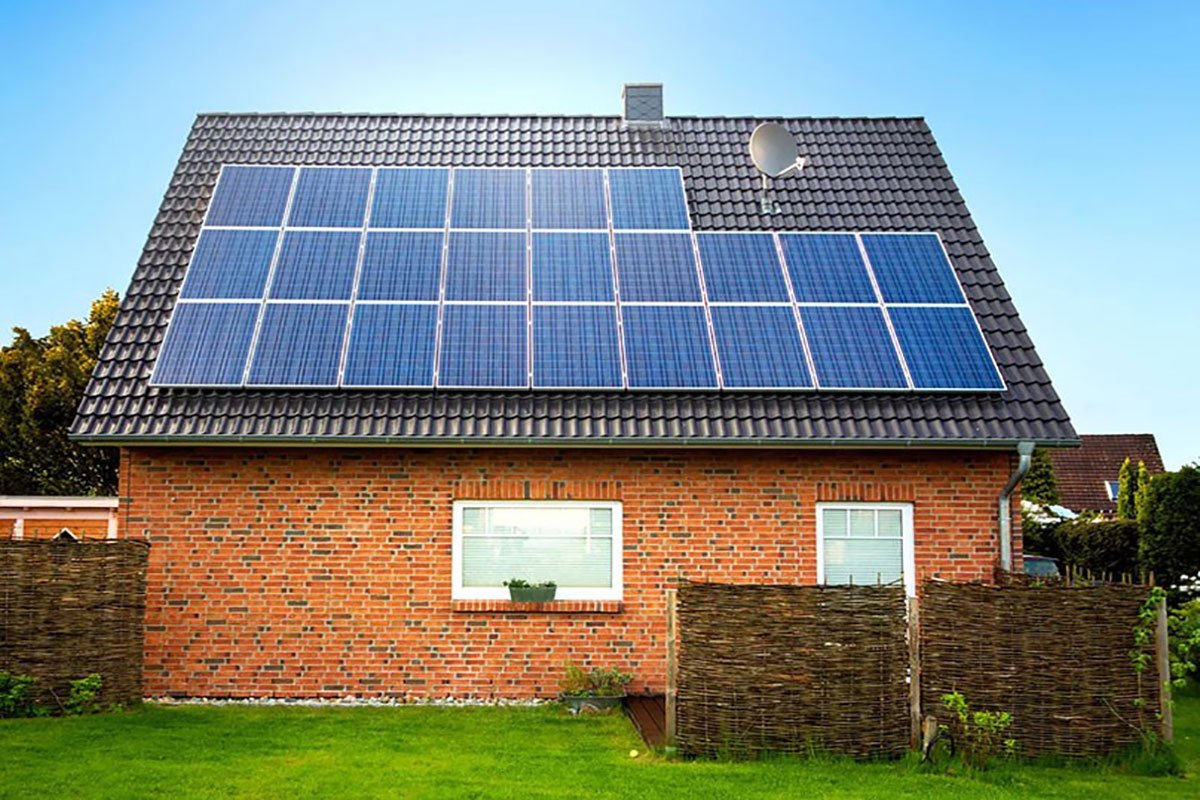
Why Professional Solar System Design Matters
Solar equipment needs to work together as one system. Choosing components without considering electricity demand, backup requirements and property conditions can result in a setup that does not meet your expectations.
Appropriate System Sizing
Plan capacity around actual electricity consumption, expected solar generation and the appliances you need to operate rather than relying on a generic system size.
Practical Backup Planning
Identify essential appliances, expected backup duration and the battery capacity needed to support your priorities during power interruptions.
Compatible Equipment
Consider panel specifications, inverter capabilities, battery compatibility and other system requirements before selecting equipment.
Better Budget Decisions
Understand which features are essential and where alternative configurations may help align the system with your budget.
Property-Specific Planning
Account for available roof space, shading, installation conditions and electrical requirements that may affect the proposed design.
Future Requirements
Discuss planned changes such as additional appliances or increased energy use, and whether future expansion can be accommodated.
Solar Consultation and System Design Services
Every property has different energy requirements. Our planning approach considers the way you use electricity and the outcomes you want from a solar installation.
Residential Solar Consultation
Plan a solar system around household electricity use, daytime consumption, essential appliances and backup requirements.
- Review household electricity usage.
- Identify priority appliances during outages.
- Consider available roof space and shading.
- Discuss suitable system configurations.
Commercial Solar Consultation
Assess business energy requirements and identify factors that may influence solar generation, operating costs and backup priorities.
- Review operating hours and energy demand.
- Identify critical equipment and loads.
- Consider daytime electricity consumption.
- Discuss site limitations and future needs.
System Sizing and Equipment Planning
Bring the main system components together in a configuration that reflects the property's requirements and the selected system type.
- Consider solar panel capacity.
- Assess inverter requirements.
- Estimate suitable battery storage needs.
- Review compatibility and expansion options.
How We Determine the Right Solar System Size
The right solar system size depends on more than the number of panels on your roof. A useful design considers how much electricity the property uses, when that electricity is needed and whether stored energy is required during outages.
- Electricity consumption: Review recent electricity bills and typical daily usage.
- Peak power demand: Consider appliances that may run at the same time and their starting or operating power requirements.
- Solar generation: Assess roof space, orientation, shading and site conditions.
- Backup requirements: Identify essential loads and the approximate duration for which they need support.
- Inverter capacity: Match the inverter to the intended system configuration and load requirements.
- Battery capacity: Consider usable storage, charging opportunities and the power required from the battery.
- Budget and future needs: Balance present requirements with realistic plans for expansion.
These factors help inform a proposed configuration. Final sizing may require more detailed consumption data, a site assessment and checks against equipment specifications.
What Information Helps with Solar Sizing?
Preparing a few details before your consultation can make the planning process more useful.
- Recent electricity bills or usage information.
- A list of appliances you want to power.
- Your backup priorities during load shedding.
- Details about roof space or available installation areas.
- Your approximate budget and future energy plans.
You do not need to calculate the system yourself. Share the information you have so the requirements can be discussed.
Choosing Between Grid-Tied, Hybrid and Off-Grid Solar
The best configuration depends on your property's grid connection, electricity usage, backup expectations and budget. Each system type serves a different purpose.
Grid-Tied Solar Systems
A grid-tied system uses solar generation alongside a utility connection. It may suit properties focused on using solar electricity while remaining connected to the grid.
Standard grid-tied inverters generally shut down during a grid outage unless the system has specifically designed backup capability.
Explore grid-tied solar systemsHybrid Solar Systems
Hybrid systems combine solar generation, battery storage and a grid connection where appropriate. Their design can account for selected backup loads and battery charging needs.
Backup operation depends on the inverter, battery, electrical configuration and installation design.
Explore hybrid solar systemsOff-Grid Solar Systems
Off-grid systems are designed to operate without a utility grid connection. Planning needs to account carefully for energy demand, battery storage and periods of low generation.
The required system depends on the property's energy profile and the reliability requirements of the loads being supplied.
Explore off-grid solar systemsSolar Panels, Inverters and Battery Compatibility
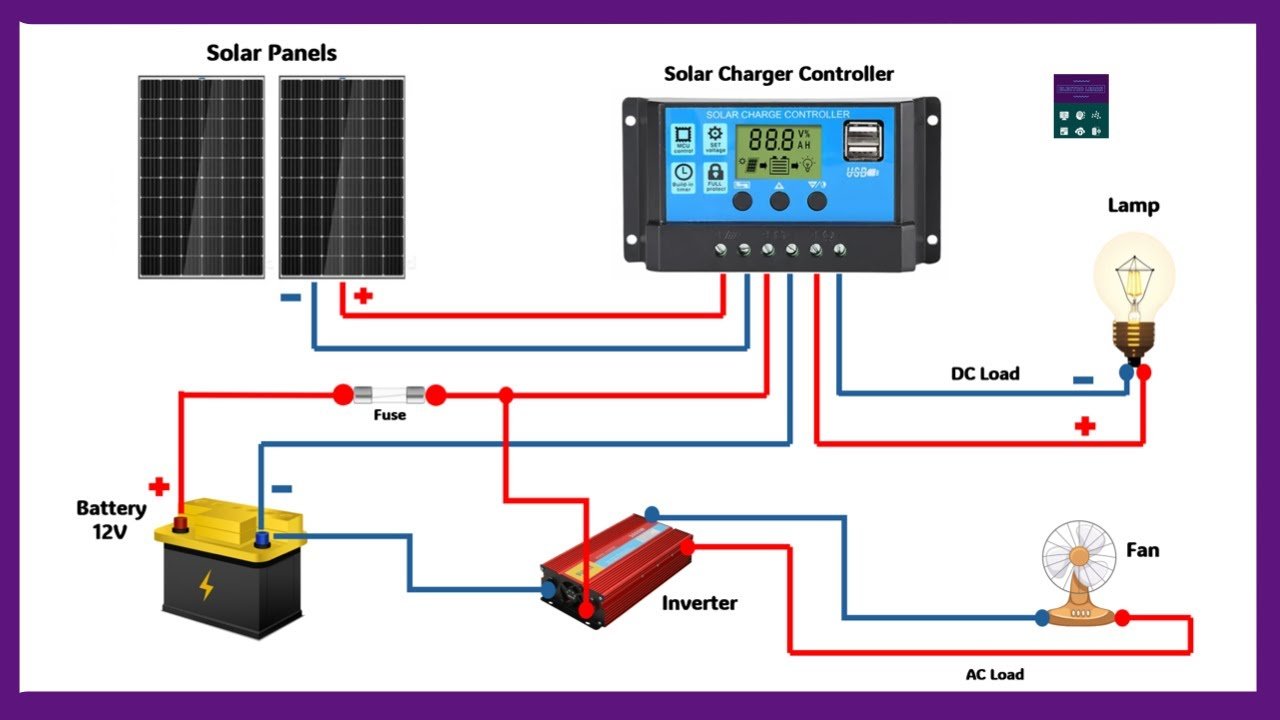
A solar system should be planned as a complete configuration. Panels, inverters, batteries, electrical protection and mounting components all need to suit the installation.
During equipment planning, important considerations include:
- Solar panels: Panel output, available roof area, orientation, shading and electrical specifications.
- Inverters: Power capacity, supported panel configuration, operating features and compatibility with the intended system.
- Batteries: Usable storage capacity, discharge limits, communication requirements and supported inverter models.
- Installation requirements: Mounting, cabling, protection devices, site conditions and applicable electrical requirements.
- Warranty and support: Manufacturer specifications, warranty conditions and equipment availability.
Equipment brands and models should be selected according to the requirements of the project. Compatibility must be verified against the manufacturers' documentation rather than assumed from brand names alone.
If battery storage is part of your plan, explore our solar battery installation service for more information.
Our Solar System Design and Consultation Process
A structured process helps clarify your requirements before equipment is selected or installation work is planned.
Initial Consultation
Discuss your property, energy use, budget, backup priorities and what you want your solar system to achieve.
Requirements Assessment
Review available electricity information, appliances, property details and any site-specific limitations.
System Planning
Consider the configuration, system capacity, equipment compatibility and storage requirements appropriate to the project.
Recommendations
Discuss the proposed approach, relevant considerations and any further assessment needed before installation.
Project scope: The level of design detail depends on your requirements. Some projects may need a site inspection, additional electrical assessment or more detailed design work before a final system configuration can be confirmed.
Solar System Design for Pretoria Homes and Businesses
Solar planning should reflect the property where the equipment will be installed. In Pretoria, the assessment should consider roof conditions, shading, seasonal changes in solar generation, electricity consumption and backup priorities.
Planning for Residential Properties
Household design starts with understanding how electricity is used throughout the day and which appliances need backup during power interruptions.
Available roof space, shading, household routines and future electrical needs can all influence the proposed setup.
Planning for Business Properties
Commercial solar planning considers operating hours, equipment demand, daytime electricity consumption and the impact of interruptions on business activities.
Site conditions and applicable utility or municipal requirements may also affect project planning.
Areas Around Pretoria
If your property is in Pretoria or a surrounding area, contact us to discuss your project and confirm service availability.
View our complete list of Pretoria service areas for more location information.
Solar System Design and Consultation FAQs
Get answers to common questions about planning a solar installation for a home or business in Pretoria.
1. How do I know what size solar system my home needs?
The required size depends on your electricity consumption, peak appliance demand, available installation space and backup requirements. Recent electricity bills and a list of essential appliances can help inform the assessment.
2. How much does solar system design cost in Pretoria?
The cost depends on the consultation scope, project complexity and whether a site visit or detailed design is required. Contact us to discuss your project and clarify what assessment or design work may be needed.
3. Do I need batteries with solar panels?
Not every grid-connected solar system requires batteries. Battery storage may be useful when backup power or storing surplus solar energy is a priority. The decision depends on your energy use, budget and system configuration.
4. What is the difference between a hybrid and grid-tied system?
A typical grid-tied system operates alongside the utility grid, while a hybrid system can combine solar generation, battery storage and a grid connection. Backup during outages depends on the equipment and how the system is designed.
5. Can my solar system be expanded in the future?
Expansion may be possible, but it depends on inverter capacity, equipment compatibility, battery configuration, available installation space and the original design. Discuss future energy needs during the planning stage.
6. Can you design a solar system for a business?
Commercial planning considers operating hours, electricity demand, critical equipment, available installation space and backup priorities. The proposed configuration depends on the business and its site requirements.
7. What information should I prepare for a solar consultation?
If available, prepare recent electricity bills, a list of essential appliances, your backup expectations, property details and an approximate budget. These details help establish your requirements.
8. Does solar system design include installation?
Design and installation are related but distinct stages. The consultation establishes your requirements and helps plan a suitable system. Confirm the scope of design work and installation arrangements when discussing your project.
Ready to Plan a Solar System for Your Property?
Make your solar investment decision with a clearer understanding of your electricity usage, backup needs, equipment options and budget. Tell us about your property and what you want your solar system to do, and take the next step towards a suitable design.
Request Your Solar Consultation